
Estimated reading time: 7 minutes
Independence is a journey, not a destination.
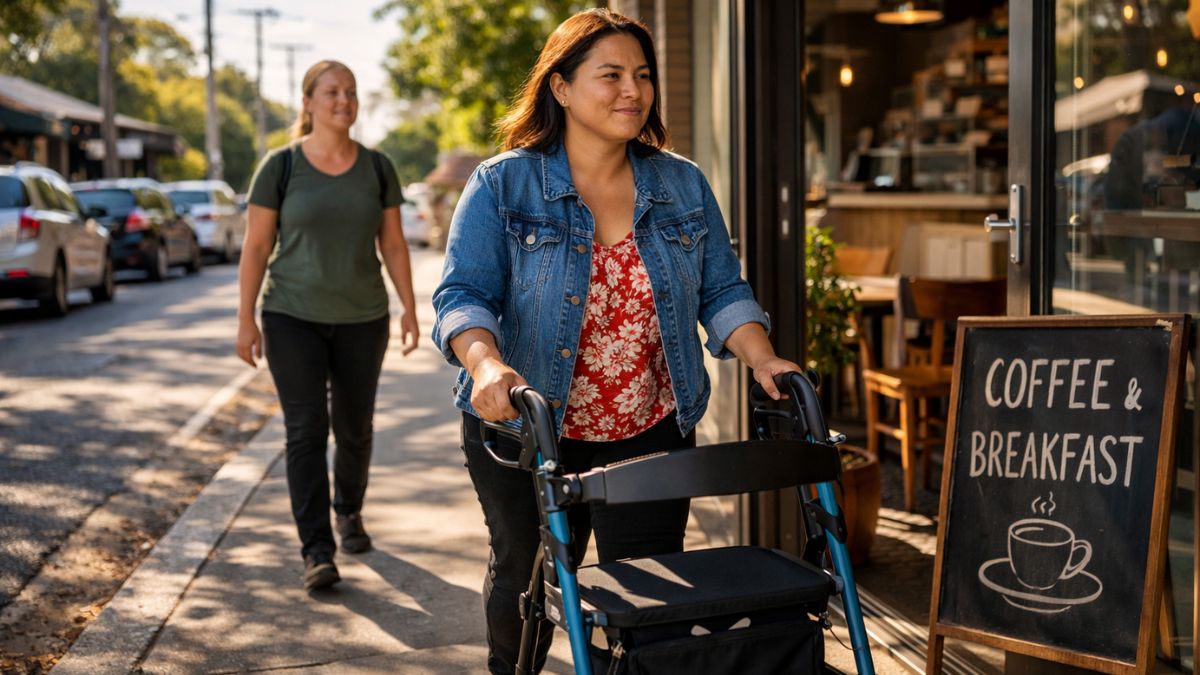
The right independent living support doesn’t just help you get through the day — it builds the life you actually want. Whether you live in your own home, with family, or in specialised accommodation, your NDIS funding can be the catalyst for something far more meaningful than routine assistance. It can be the foundation of genuine autonomy.
Important: This article is about independent living support as a broad category of skill-building and daily assistance — not Supported Independent Living (SIL). SIL is a specific NDIS-funded housing model. If you’re researching SIL specifically, see the FAQ below for a clear comparison.
Key Takeaways
- Independent living support fosters autonomy by helping individuals build skills and manage daily life, regardless of their living situation.
- It includes cooking, budgeting, community access, and mentoring, empowering personal growth and confidence.
- NDIS funding can cover various aspects of independent living, such as life skills training and household management.
- An effective support team focuses on reducing dependence, encouraging self-discipline, resilience, and agency.
- Independence is a journey shaped by consistent practice and the right support, allowing individuals to define their own autonomy.
Table of Contents
What Is Independent Living Support?
Independent living support is far more than help with household tasks or personal care.
At its core, it’s the assistance that enables you to manage your own home, build sustainable daily routines, and participate actively in your community. Consequently, it looks different for everyone.
For some participants, it means learning to cook nutritious meals independently. For others, it means navigating public transport, managing a household budget, or building social connections in the community.
The common thread? Each of these supports moves you toward greater self-determination.
A note on terminology: You may see “independent living support” confused with Supported Independent Living (SIL) in NDIS conversations. SIL is one specific funding line within the broader landscape — it covers shared or individual housing with on-site support. Independent living support, as discussed throughout this article, is the wider category of assistance that helps you build skills and manage daily life, regardless of where or how you live.
Independent living support may include:
- Assistance with daily activities (cooking, cleaning, personal care)
- Support to develop life skills and household management
- Help with community access and social participation
- Supported Independent Living (SIL) in shared or solo accommodation
- Individual Living Options (ILO) for more personalised arrangements
- Mentoring from support workers to build confidence and capability
Building the Virtues of Independent Living Support
Here’s what they don’t always tell you: independence is a character skill, not a circumstance.
As a writer, I know this intimately. The discipline to sit down and craft a sentence — day after day, whether inspired or not — is the same internal strength that underpins truly independent living. Therefore, real autonomy isn’t handed to you through a funding package. It’s built through consistent choices.
The virtues that make independent living sustainable include:
- Self-discipline — showing up to your routines even when it’s hard
- Courage — trying new things, making mistakes, and trying again
- Resilience — adapting when circumstances change
- Self-awareness — knowing your strengths and where you need support
- Agency — understanding that your choices shape your life
Notably, these aren’t virtues you either have or don’t. They’re developed through practice — and the right independent living support creates the conditions for that practice to happen.
Step 1: Know What Autonomy Looks Like for You
Before you can build independence, you need a clear picture of what it means in your own life.
Ask yourself: What does a good day look like? Which tasks do you want to manage entirely on your own? Where would mentorship or practical support help you grow? Your answers become the roadmap your support team works from.
Step 2: Treat Support Workers as Mentors, Not Minders
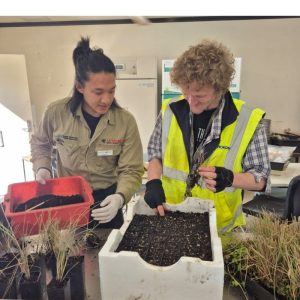
The best independent living support is collaborative, not supervisory.
When support workers approach their role as mentors — guiding you through tasks rather than doing them for you — they actively build your capacity. Accordingly, every interaction becomes an opportunity to strengthen a skill rather than create dependency.
How NDIS Funding Supports Independent Living
Your NDIS plan is a practical tool for building the life you want.
Specifically, the Capacity Building and Core Supports budgets can fund a wide range of independent living supports. Understanding these categories puts you firmly in the driver’s seat of your own plan.
Practical ways NDIS funding can build your independence:
- Learning to cook: A support worker mentors you through meal planning and preparation, progressively reducing assistance as your skills grow.
- Budget management: Developing systems to track your spending, pay bills, and save for things that matter to you.
- Public transport training: Building the confidence and route knowledge to travel independently.
- Social participation: Accessing community activities, events, and groups that align with your interests.
- Household management: Establishing cleaning routines, organising your space, and maintaining your home to your standards.
- Digital literacy: Using apps, online services, and communication tools that increase your independence.
Furthermore, your Support Coordinator or Local Area Coordinator (LAC) can help you understand exactly how to allocate your funding most strategically for your goals.
The Role of Your Independent Living Support Team
A truly effective support team measures its own success by how much less you need them.
That might sound counterintuitive. Nevertheless, the highest expression of quality independent living support is a participant who gradually needs less direct assistance — because they’ve genuinely grown in skill, confidence, and capability.
At The SALT Foundation, we build our support model around this philosophy. Our team works with you, not for you.
What a values-driven support team brings to your journey:
- Consistency — regular workers who know your goals, preferences, and progress
- Respect for your agency — asking what you want, not assuming
- Genuine encouragement — celebrating growth, however incremental
- Clear communication — keeping you informed and involved in every decision
- Flexibility — adapting support intensity as your needs and goals evolve
Frequently Asked Questions
No. Independent living support is available to participants across all living arrangements — including those living with family, in shared supported accommodation, or in their own home. The focus is on building your skills and autonomy, regardless of your current living situation.
Supported Independent Living (SIL) provides funded support in shared or individual housing, typically involving daily hands-on assistance. Individual Living Options (ILO) is a more flexible, participant-centred model that focuses on building a support network tailored entirely to your lifestyle and goals. Your planner can advise which option best suits your situation.
Yes. Capacity Building — Daily Activities funding is specifically designed to help you develop skills for greater independence, including budgeting, cooking, transport, and household management. These supports are funded with the explicit goal of reducing your need for ongoing assistance over time.
Review your goals regularly with your support team. Additionally, ask yourself whether you’re doing more on your own now than six months ago. Genuine independent living support should produce measurable growth — not comfortable dependency. If you’re not progressing, it may be time to reassess your provider.
This is entirely normal — and it’s exactly what good support workers are trained to navigate with you. Independence isn’t about removing your safety net overnight. Rather, it’s about gradually expanding your comfort zone, one achievable step at a time, with your support team walking alongside you.
Conclusion
Independence is ultimately about the freedom to be who you are — guided by the virtues and values you choose.
The right independent living support doesn’t diminish who you are. Instead, it creates the scaffolding for you to become more fully yourself. It meets you where you are today, while keeping its eye firmly on who you’re becoming.
You deserve support that respects your intelligence, honours your goals, and genuinely invests in your growth. That’s the SALT Foundation commitment.
Moreover, it’s what every NDIS participant is entitled to expect.
Ready to take the next step toward your independence?
Contact The SALT Foundation to discover how our team can support your personal journey toward greater autonomy, confidence, and self-determination.

Daniel G. Taylor has been writing about the NDIS for six years. His focus has been on mental health and psychosocial disabilities as he lives with bipolar I disorder. He’s been a freelance writer for 32 years and lives across the road from a surf beach. He’s the author of How to Master Bipolar Disorder for Life and a contributor to Mastering Bipolar Disorder (Allen & Unwin) and he’s a mental health speaker. In May 2026, he celebrated 25 years without a major manic or depressive episode.