

Last Updated on 25/06/2026 by Daniel G. Taylor
Estimated reading time: 7 minutes
Finding the right support is everything.
If you’re a parent or carer navigating the NDIS, you’ve probably asked yourself: What should I look for in a support worker? Maybe you’re even considering how to work for NDIS yourself—taking on support work to create flexibility around your own caring responsibilities. Either way, understanding what makes someone qualified (and safe) to work in this space is crucial.
This guide walks you through the standards, the checks, and the character traits that matter most.
Key Takeaways
- To work for NDIS, support workers must pass an NDIS Worker Screening Check to ensure safety.
- First Aid certification and, if applicable, a Working with Children Check are also essential requirements.
- Character traits like empathy, reliability, and respect are more important than formal qualifications.
- Support workers can choose to be sole traders for flexibility or work for an agency for support and training.
- Generally, the NDIS does not fund family members as support workers unless in rare circumstances.
Table of Contents
The “Must-Haves”: Safety Comes First
Before anyone can work in disability support, they must clear several non-negotiable hurdles. These aren’t just bureaucratic boxes to tick. They’re safeguards designed to protect vulnerable people.
NDIS Worker Screening Check
This is the big one. Every person working in NDIS-funded disability support must hold a valid NDIS Worker Screening Check. It’s a national criminal history check that also assesses whether a person poses a risk to people with disability.
Here’s what it involves:
- National police history check
- Review of relevant findings from other screening bodies (like the NSW Ombudsman or Victorian Disability Worker Commission)
- Assessment of patterns of behaviour—not just individual offences
The screening unit doesn’t just look at what someone did. They look at who they are. A single mistake 20 years ago won’t necessarily disqualify someone. However, repeated patterns of violence, dishonesty, or exploitation will.
Processing takes anywhere from 4 to 12 weeks. Plan ahead.
Working with Children Check (Where Applicable)
If the person you’re hiring will support a child under 18, they also need a Working with Children Check. This applies even if the child has a disability and is primarily supported through the NDIS.
It’s a separate check. Both are required.
First Aid and CPR
Most reputable providers require workers to hold current First Aid and CPR certificates. While not legally mandated by the NDIS, it’s a standard you should expect. Emergencies happen. Support workers need to know how to respond.
Valid Driver’s Licence (Often Expected)
Many support roles involve transporting participants to activities or appointments. Consequently, a full driver’s licence is often listed as essential. If you’re hiring someone, confirm their licence is current and that they have appropriate insurance.
Qualifications vs. Character: What Really Matters
Here’s something that surprises people: you don’t need a formal qualification to work for NDIS.
There’s no law requiring a Certificate III in Individual Support (Disability). Many excellent workers hold one. Many don’t. What matters more is who you are and how you show up.
The Certificate III in Individual Support
This qualification covers:
- Infection control
- Manual handling
- Communication strategies
- Person-centred practice
- Legal and ethical frameworks
It’s valuable. It demonstrates commitment. But it’s not compulsory.
At The SALT Foundation, we look beyond the certificate. We’re interested in:
- Empathy—Can you genuinely connect with people?
- Reliability—Will you show up when you say you will?
- Respect—Do you honour the person’s choices, even when they differ from yours?
- Patience—Can you stay calm when things get difficult?
These qualities can’t be taught in a classroom. They’re formed over a lifetime.
Why Character Trumps Credentials
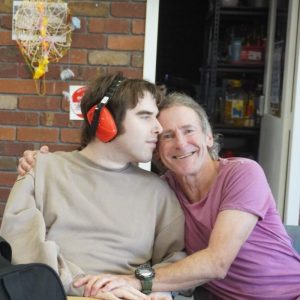
The best support workers understand something fundamental: this work is about relationship, not task completion. You’re not just “doing” personal care or “running” activities. You’re walking alongside someone as they build the life they want.
That requires humility. It requires listening. Most importantly, it requires seeing the person—not the disability.
If you’re hiring, ask questions that reveal character:
- “Tell me about a time you helped someone in a way that cost you something.”
- “What would you do if a participant wanted to do something you thought was unwise?”
- “How do you handle conflict?”
Listen carefully to the answers.
Employment Models: Sole Trader vs. Agency
If you’re exploring how to work for NDIS, you’ll need to decide how you want to work. There are two main pathways.
Working as a Sole Trader
Some support workers register as sole traders and contract directly with participants. This offers:
- Flexibility—You set your own hours and rates
- Autonomy—You choose who you work with
- Higher hourly rates—You keep the full amount (minus your business expenses)
However, it also means:
- No paid leave—Sick days and holidays are unpaid
- Your own insurance—You need public liability and professional indemnity cover
- Your own compliance—You manage your own screening checks, training, and reporting
- Isolation—There’s no team to debrief with or learn from
Working for an Agency (Like The SALT Foundation)
Alternatively, you can work for a registered NDIS provider. Benefits include:
- Ongoing training and professional development
- Clinical supervision and mentoring
- Administrative support—rostering, payroll, compliance
- Access to a team—You’re never alone in a tricky situation
- Paid leave entitlements (for permanent positions)
The hourly rate is typically lower than a sole trader’s rate. That’s because the agency covers overheads like insurance, administration, and ongoing support.
At The SALT Foundation, we also offer something else: values-based practice. We’re a Christian organisation committed to dignity, respect, and genuine relationship. If that aligns with your values, working through an agency can feel like coming home.
Can Family Members Be Paid to Provide Support?
This question comes up constantly. The answer is complicated.
Generally, the NDIS does not fund family members to provide supports. The NDIS considers informal supports (provided by family and friends) to be reasonable and necessary supports that occur naturally—outside of funded arrangements.
Exceptions Exist, But They’re Rare
The NDIS may fund a family member in specific circumstances:
- Where no other suitable supports are available (for example, in remote areas)
- Where the family member has specialist qualifications that are essential to the participant’s needs
- Where it is clearly in the best interests of the participant
Even then, approval is not guaranteed. The NDIS will assess whether paying a family member represents value for money and whether it might create risks (such as financial abuse or reduction in informal supports).
The Carers Payment from Centrelink may be the more reliable income source.
Why the NDIS Is Cautious About This
The policy exists to protect participants. Paid support relationships can blur boundaries. They can create power imbalances. Most importantly, they can reduce the informal, unpaid support that naturally exists in families.
If you’re a carer considering paid support work, explore options outside your immediate family member’s plan. Many carers find flexibility and purpose working with other participants through an agency.
Frequently Asked Questions
No. While a Certificate III in Individual Support (Disability) is beneficial, it’s not mandatory. However, you must hold a valid NDIS Worker Screening Check, and many providers require First Aid certification.
Apply through your state or territory’s screening unit. You’ll need identification, proof of residency, and consent for criminal history checks. Processing takes 4 to 12 weeks. Start early.
It depends. The screening unit assesses risk, not just offences. Minor, old offences may not disqualify you. However, serious crimes—especially those involving violence, sexual offences, or exploitation—will likely result in exclusion.
Sole traders have more autonomy and higher hourly rates but manage their own compliance, insurance, and professional development. Agency workers receive training, supervision, and administrative support but typically earn a lower hourly rate.
Usually, no. The NDIS does not fund family members to provide supports except in rare circumstances where no other suitable supports exist. This policy protects participants and preserves informal family relationships.
Conclusion: Good Work Starts with Good People
Understanding how to work for NDIS isn’t just about ticking compliance boxes. It’s about recognising that this work is sacred. You’re entering someone’s life at their most vulnerable. That’s a privilege—and a responsibility.
Whether you’re hiring or considering this work yourself, prioritise character over credentials. Look for reliability, empathy, and respect. Demand the safety checks. Expect ongoing training and support.
Most importantly, remember this: good disability support is about good relationships. When you get that right, everything else follows.
Take the Next Step
Looking for work with a provider that values heart over resume? Or searching for a support worker who meets these high standards? Contact The SALT Foundation today. We’re building a community where people with disability aren’t just supported—they’re genuinely seen, valued, and empowered.

Daniel G. Taylor has been writing about the NDIS for six years. His focus has been on mental health and psychosocial disabilities as he lives with bipolar disorder I. He’s been a freelance writer for 32 years and lives across the road from a surf beach. He’s the author of How to Master Bipolar Disorder for Life and a contributor to Mastering Bipolar Disorder (Allen & Unwin) and he’s a mental health speaker. In May 2026, he celebrated 25 years without a major manic or depressive episode.