

Estimated reading time: 7 minutes
You’ve probably asked yourself this question.
Maybe it was after a diagnosis. Perhaps it came during a conversation with a support coordinator, or while filling out an NDIS access request form. The question “am i disabled” feels heavy—like you’re accepting something permanent about who you are. But here’s what I’ve learned through my own journey with bipolar disorder: that label is administrative, not existential. It opens doors to support. It doesn’t lock you into an identity.
Key Takeaways
- Asking ‘am I disabled?’ highlights a functional label, not a defining identity; it acknowledges support needs without defining worth.
- The NDIS focuses on functional capacity, offering support for daily activities without labeling participants as their primary identity.
- You can control your virtues and choices, which shape your identity beyond any diagnosis or label.
- NDIS funding supports personal goals and aspirations, empowering individuals to pursue their true selves rather than just managing disability.
- Ultimately, you are the architect of your identity; the label serves a practical purpose, while your choices define who you are.
Table of Contents
The Functional Label vs. The Human Identity
The NDIS uses “disability” as a functional term.
It means your condition significantly affects your capacity to undertake everyday activities. Furthermore, it signals that you need support that’s “reasonable and necessary” to live the life you want.
That’s it.
Here’s what the NDIS assessment actually measures:
- Your functional capacity (not your worth)
- The support you need (not who you are)
- The impact on daily activities (not your potential)
Consequently, when the NDIS says “i am disabled,” they’re not making a declaration about your character. They’re acknowledging that you face barriers others don’t. Moreover, they’re saying you deserve help to overcome them.
Think of it this way: needing glasses doesn’t make you “a glasses-wearer” as your primary identity. You’re a person who happens to need vision correction.
Similarly, needing NDIS support doesn’t make you “disabled” as your core self.
My Story: The Writer vs. The Pensioner
I went on the Disability Support Pension years ago.
Bipolar disorder had derailed my career trajectory. However, I made a deliberate choice about language. I didn’t call myself a “pensioner” when people asked what I did. Instead, I said, “I’m a writer.”
This wasn’t denial—it was precision.
Yes, I received government support. Undeniably, my mental health condition qualified me for assistance. Nevertheless, my identity wasn’t built on that functional label.
It was built on what I chose to do with my days:
- The craft I was developing
- The words I was putting on the page
- The value I was creating for others
My virtues—discipline, creativity, service—were what defined me. Accordingly, those virtues were entirely within my control, regardless of what my brain chemistry was doing.
The pension was a tool. Writing was my identity.
The Power of Virtues
Here’s the liberating truth: you can’t always control your health.
But you have total control over your virtues.
Virtues aren’t feelings—they’re behaviors:
- Patience when the NDIS review is delayed
- Kindness toward support workers having a rough day
- Integrity in reporting your goals honestly
- Courage in asking for what you need
- Gratitude for small improvements
These qualities don’t depend on your diagnosis. In fact, they’re demonstrated precisely through how you navigate your challenges.
Living with bipolar disorder means I can’t always predict my mood patterns. Nevertheless, I can control whether I treat people with respect through the ups and downs. I can’t eliminate my condition. However, I can cultivate compassion for others walking similar paths.
This is where your real identity lives.
Not in the NDIS portal. Not in the diagnostic criteria. Instead, it lives in the daily choices you make about who you want to be.
How the NDIS Supports Your “Real” Self
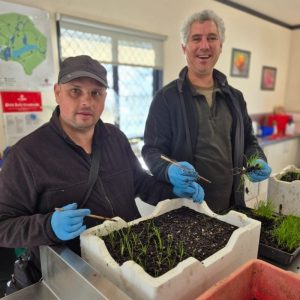
The beauty of the NDIS is that it’s designed to help you pursue your actual identity.
Look at the “innovative community participation” category. It’s not called “disability activities.” Rather, it’s funding that helps you be who you truly are—whether that’s an artist, a volunteer, a friend, or a learner.
Here’s what NDIS funding can genuinely support:
- Art classes that nurture your creative identity
- Social groups that reinforce your role as a friend
- Gym memberships that support your identity as someone who values health
- Technology that enables your work as a professional
- Skill development that builds your chosen career
Essentially, the NDIS isn’t there to fund your “disabled life.” Instead, it funds your actual life—the one you’re building around your values and aspirations.
When participants access support for activities that matter to them, something powerful happens. The scheme amplifies their chosen identity rather than replacing it with a label.
From Question to Action
So when you ask “am i disabled,” the functional answer might be yes.
The identity answer? That’s entirely up to you.
Consider these questions instead:
- What virtues do I want to embody?
- What roles bring me meaning?
- How can support help me live those values?
The NDIS gives you resources. You decide what to build with them.
I’m a writer who happens to have bipolar disorder. You’re whoever you choose to be, who happens to need some support.
That’s the distinction that changes everything.
Frequently Asked Questions
The NDIS defines disability as a condition that significantly affects your capacity to undertake everyday activities and is likely to be permanent. It’s a functional assessment focused on support needs, not a judgment about your capabilities or potential. The definition exists purely to determine eligibility for funded supports.
No. Your NDIS status is private information. You control who you disclose it to. While you’ll discuss your condition with the NDIS and your support team, you’re under no obligation to share your participant status with employers, friends, or anyone else. Furthermore, you can simply say you’re accessing community support if asked.
Absolutely. The NDIS supports people in employment. In fact, building work capacity is often a key goal in NDIS plans. Your funding can include employment support, skill development, and workplace modifications. Many NDIS participants work part-time or full-time while receiving supports that help them maintain that employment.
The NDIS reviews plans regularly, but improvement doesn’t automatically mean losing support. If you still have functional limitations and need assistance, your plan can continue. Moreover, the goal is always to help you live your best life—if you need less support because you’re thriving, that’s actually a success story, not a punishment.
Focus on the support, not the label. Explain that everyone needs help with different things, and the NDIS is just a way to get the specific help you need. Emphasize that needing support doesn’t change who you are as a person or as their parent. Children understand more than we think when we speak honestly and age-appropriately.
Conclusion: You Are the Architect
The question “am i disabled” matters for accessing support.
It doesn’t matter for defining your soul.
You are the architect of your own character. Your diagnosis opens doors to resources. Your virtues build the life you live through those doors.
The NDIS acknowledges functional limitations. You decide what functional means in the context of your values, your goals, and your identity.
I’m still a writer. The pension, the bipolar diagnosis—they’re all part of my story. Nevertheless, they’re not the story itself.
That story is written in the choices I make daily. The same is true for you.
Ready to build your NDIS plan around your real identity? Contact The SALT Foundation to discuss how our support coordination can help you pursue what matters most to you—not just manage your disability, but amplify your life.

Daniel G. Taylor has been writing about the NDIS for six years. His focus has been on mental health and psychosocial disabilities as he lives with bipolar I disorder. He’s been a freelance writer for 32 years and lives across the road from a surf beach. He’s the author of How to Master Bipolar Disorder for Life and a contributor to Mastering Bipolar Disorder (Allen & Unwin) and he’s a mental health speaker. In May 2026, he celebrated 25 years without a major manic or depressive episode.